Skip to main content Skip to footer

What's the difference?

Holistic & Biological Dentistry

A Biohealth approach that integrates dentistry with whole‑body health.

Modern zirconia implants are engineered for high stability and durability. With correct planning, suitable implant dimensions and a carefully designed bite, they can achieve long-term success rates comparable to titanium in many clinical situations.

Just as important as the material are the surgical technique, bone quality, immune status and follow-up care. In a well-managed biological concept, ceramic implants can provide stable function and aesthetics for many years.
Many high-end biological clinics offer structured “one-week” or “bio-health week” concepts. After detailed diagnostics and preparation, several surgical steps – such as metal removal, jawbone revision and immediate implant placement – are combined in one carefully planned week.

Suitability depends on your bone quality, immune status, medical history and travel schedule. For international patients and busy executives, this condensed format can significantly reduce time away from work and family.

Most procedures are carried out under local anaesthesia, optionally combined with sedation or general anaesthesia for more extensive surgeries. Modern protocols keep pain during the procedure very low.

Afterwards mild to moderate discomfort and temporary swelling for a few days are normal. Biological clinics emphasise anti-inflammatory nutrition, carefully selected medication, cooling and, where appropriate, IV support to promote fast, predictable healing.

Before major biological surgery you will usually complete standard blood tests and, if needed, specialised immune or vitamin profiles. The clinic may advise you to optimise vitamin D3, omega-3, minerals and antioxidants in the weeks before treatment.

You are also encouraged to reduce sugar, alcohol and smoking, improve sleep and movement and follow a nutrient-dense diet so you enter surgery in the best possible metabolic and immune state.

Biological dentistry is often chosen by patients with complex chronic conditions because it actively looks for dental and jaw-related interference fields that may contribute to systemic inflammation.

However, surgery and metal removal must be coordinated closely with your treating physicians. Timing, medication changes, anticoagulants and immune-modulating therapies are aligned so that dental treatment supports, rather than stresses, your overall health.

High-end biological centres often work hand-in-hand with internists, functional and longevity doctors, sports physicians and concierge GPs. With your consent, diagnostics, treatment plans and lab values are shared to form one coherent strategy.

This allows detox phases, immune therapies, hormone optimisation and dental surgery to be aligned in timing and intensity, minimising downtime for busy executives and athletes while maximising health benefits.

Biological treatments such as safe amalgam removal, ceramic implants and full-mouth rehabilitation are complex and usually privately financed. Total costs depend on the number of teeth and implants, the type of restorations and any additional medical support.

Some private and international insurance plans reimburse certain medically necessary procedures, while purely holistic services often remain self-pay. Most clinics provide transparent cost plans and can coordinate with your family office or insurance advisor.

Biological dentistry combines evidence-based dentistry with a strong focus on biocompatibility and systemic health. The use of ceramic implants, strict infection control and minimally toxic materials is well supported by modern research and clinical experience.

Certain adjunctive therapies, such as specific IV nutrients or detox protocols, are more progressive and have less long-term data. Reputable clinics explain clearly which elements are strongly evidence-based and where the science is still evolving.

Switzerland and the DACH region host several pioneering centres for biological dentistry, with high clinical volumes of ceramic implants, integrated medical collaborations and excellent hospitality.

International patients value Swiss quality standards, strong data and legal protection, efficient infrastructure and the ability to combine top-level medical care with discreet, upscale hotel and recovery environments.

High-end biological clinics are used to treating public figures, C-level executives and UHNWIs. Patient data are handled under strict medical confidentiality and European data-protection regulations.

Discrete arrival and departure options, private waiting areas, dedicated contacts and minimal time in public spaces are standard. Treatment information is shared only with the individuals and advisors you explicitly authorise.

The clinic is familiar with extremely full calendars. Wherever possible, diagnostics are bundled into a single day and treatments are organised into clearly defined blocks.

If you travel internationally, flights and recovery times are taken into account when planning surgery. Follow-up appointments can often be combined with business trips or conducted via secure video consultations when appropriate.

Most leading Swiss and DACH biological clinics work in German and English and often have team members who speak additional European languages. Written information and consent forms are usually available in multiple languages.

For complex or sensitive discussions, professional medical interpreters can be arranged so that you fully understand every detail of your treatment.

In some patients, bite position, jaw development and airway space are closely linked to breathing quality during sleep. Biological and functional dentists therefore also assess jaw joints, tongue position and airways.

Where appropriate, your dental plan may be coordinated with sleep medicine and ENT specialists. While dental treatment alone cannot solve every sleep issue, optimised oral structures can be an important part of a comprehensive sleep-health strategy.

Biological dentists aim to preserve healthy tooth structure whenever possible. This may involve high-strength ceramic onlays, inlays or partial crowns, as well as targeted periodontal therapy and bite adjustments.

Implants are usually recommended only when teeth are no longer restorable or their preservation would compromise long-term stability. Even then, extractions and implants are planned to respect bone biology and future aesthetics.

Biological clinics favour materials with excellent general biocompatibility, such as zirconia ceramics and certain high-grade composites and cements. For sensitive patients, additional laboratory tests (for example allergy or lymphocyte transformation tests) can be arranged.

If results suggest sensitivity to specific components, these materials are excluded from your treatment plan and suitable alternatives are chosen to minimise immune reactions.

These terms overlap but are not identical. Holistic dentistry considers lifestyle, nutrition and emotional factors alongside dental treatment. Biological dentistry focuses strongly on materials, toxicity, the immune system and oral-systemic inflammation.

Functional dentistry often emphasises jaw function, bite, breathing and posture. Many leading clinics integrate all three perspectives to offer a truly comprehensive bio-health concept.

You will usually receive a detailed treatment and time plan in advance with recommended arrival and departure days, expected recovery periods and any pre-treatment steps that can be done in your home country.

Many clinics cooperate with nearby hotels, recovery apartments and concierge services, and can arrange airport transfers, interpretation, special diets and extended check-ups so your stay is as seamless and efficient as possible.

Yes. For children and young adults the focus is on prevention, gentle minimally invasive treatments and guiding healthy jaw and facial development. Fluoride-free options, diet counselling and breathing habits are addressed early.

Where more complex issues exist, the biological principles still apply: biocompatible materials, minimal toxicity and close coordination with paediatricians or orthodontists.

After comprehensive bio-dental rehabilitation, regular professional cleanings and check-ups are essential. The clinic will define an individual recall schedule, typically between two and four visits per year depending on your risk profile.

You will receive precise instructions on home care, suitable oral-care products, diet, sleep and lifestyle. Many high-end patients combine their annual medical and dental reviews into one coordinated longevity visit.

Holistic Dentistry:

  • It sees your mouth as part of your overall health — meaning problems in your mouth can affect your body (and vice versa).

  • A holistic dentist tries to use natural or less-toxic materials and gentle treatments that don’t harm your general health.

  • They often focus on things like nutrition, lifestyle, stress, and emotional wellbeing alongside dental care.

  • Example: If you have gum disease, a holistic dentist might talk with you about your diet, gut health, or immune system — not just your teeth.

In short: holistic = “whole-body approach” to dental care.

Biological Dentistry:

  • It focuses on how dental materials and treatments interact with your body’s biology.

  • A biological dentist uses biocompatible materials (for example, ceramic instead of metal implants) and avoids anything that could trigger inflammation or toxicity.

  • They often use modern testing, like measuring how different materials affect your immune system, or scanning for hidden infections in the jawbone.

  • Example: If you need a filling or implant, a biological dentist will carefully choose a material that your body tolerates best and make sure it doesn’t cause any chemical or electrical reaction.

In short: biological = “body-friendly, science-based materials and methods”.

Key differences at a glance

Aspect Holistic Dentistry Biological Dentistry
What it is Whole-body philosophy of care Methods & materials decisions
Focus Prevention, lifestyle, airway, inflammation Biocompatibility, SMART steps (when indicated), ceramics, adjuncts
Typical questions “How does my mouth affect overall health?” “Which materials and protocols best fit me?”
Decision style Shared decisions around prevention & exposures Shared decisions around materials, risks, and trade-offs
What it’s not Not an ADA-recognized specialty Not a replacement for standards; adjuncts ≠ cures

SWISS BIOHEALTH CLINIC

We follow an ALL‑IN‑ONE biological care model: in one coordinated session (Swiss Biohealth Week), we identify and remove oral “interference fields”—such as incompatible metals, root‑treated teeth, and areas of osteonecrosis—then rebuild with metal‑free zirconia ceramic implants when appropriate. The aim is to lower systemic stress so your immune system can integrate implants and focus on healing. A multidisciplinary team (dentists alongside biological‑medicine practitioners) plans each step and supports nutrition, stress management, and lifestyle so recovery is comprehensive, not just local.

Who benefits from a biological focus?

If you’re wondering whether the biological dentistry approach fits your needs, here’s a quick self-check.

Have metal fillings, crowns, or titanium implants and want safer, body-friendly alternatives.

 Experience chronic fatigue, inflammation, allergies, or autoimmune issues, and suspect dental materials might play a role.

 Feel anxious about traditional dental work and want a gentler, whole-body approach.

 Value natural healing, nutrition, and prevention, not just symptom treatment.

 Have been told that “everything looks fine” — but you still don’t feel your best.

 Prefer biocompatible materials and minimal interference with your body’s natural balance.

 Are you looking for a clinic that collaborates with biological medicine experts and sees your mouth as part of your whole health system?

The Body-Mouth Connection

  • Your mouth reflects your whole-body health — not a separate system.

  • Infections, toxins, and dental materials can affect your immune balance.

  • We take a whole-body approach to every treatment decision.

  • Our goal: what’s good for your smile is also good for your health.

The Executive & Private Patient Experience

For patients seeking complete restoration with comfort, discretion, and efficiency, the SWISS BIOHEALTH WEEK offers a fully integrated one-week treatment concept.
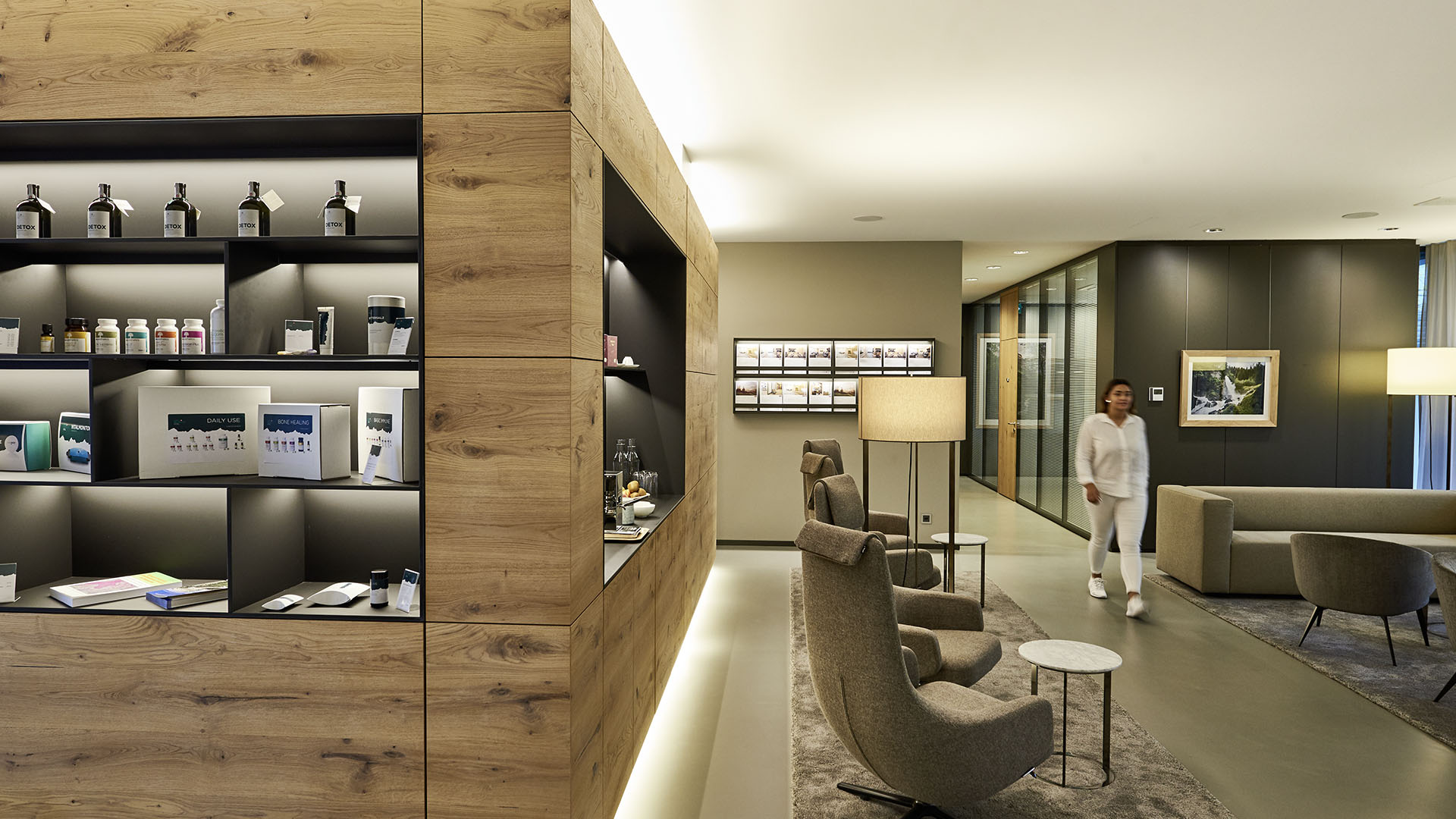
All procedures — from diagnostics to surgery and recovery — are performed under one roof by our dental and medical teams.
Personalized sedation options, private recovery arrangements, and dedicated concierge support ensure a calm, seamless experience for even the busiest schedules.

FAQ

Biological dentistry is usually the more specific term: it focuses on how dental treatments and materials affect the whole body, using biocompatible options and avoiding things like mercury and other potentially toxic substances, while paying close attention to the “mouth–body connection” and links between oral conditions and systemic disease. 

Holistic dentistry is the broader philosophy. A holistic dentist looks at the whole person – body, mind, lifestyle, and environment – and considers factors like nutrition, stress, sleep, and social context alongside what’s happening in the teeth and gums.

You may also see functional dentistry, which focuses on how the teeth, jaws, airway, and body systems function together and searches for root causes behind symptoms. In practice, these ideas overlap a lot, so clinics may use the terms interchangeably. For a deeper explanation of Functional vs. Holistic vs. Biological Dentistry, you can read this overview of biological dentistry (rejuv-health.com). 

SMART is a mercury‑safe removal technique with isolation, high‑volume evacuation, and filtration. We use it only when clinical reasons justify replacing a restoration.


Absolutely — but always with biocompatible materials and methods that minimize toxicity and inflammation. From fillings to implants, every procedure is designed to work in harmony with your body.

Yes. Zirconia implants are highly durable, corrosion-resistant, and do not conduct electricity. They integrate naturally with bone and are ideal for patients sensitive to metal.

Yes — our biological approach was developed specifically for patients with complex conditions. We work closely with your physicians to ensure safe, integrated care.

Yes, many of our patients travel to us for full-mouth reconstructions or detox procedures. We help coordinate accommodation, transfers, and aftercare for a seamless experience.

Still have questions?

Contact us or schedule a consultation — our team will gladly guide you through every step.